Create Your Own DNA Collection Kit at Home
Discreet DNA Sample Collection Using Common Household Items
We understand that discretion and timing can be critical when it comes to DNA testing. If you are unable or prefer not to wait for a DNA collection kit to arrive by mail, you have the option to create your own DNA collection kit at home using common household items.
This option allows you to collect DNA samples privately and submit them for testing while maintaining accuracy and confidentiality, as long as instructions are followed carefully.
When Creating Your Own DNA Collection Kit Makes Sense
Creating your own DNA collection kit may be helpful if:
You need to collect samples immediately
Discretion is essential
You cannot receive a kit by mail
You already have the required materials available
Our laboratory can process properly collected samples from a self-made kit, provided all guidelines are followed.
Important Precautions Before Collecting DNA Samples
To help ensure accurate testing results, please follow these precautions carefully:
Do not eat, drink, smoke, chew gum, or brush teeth for at least 1 hour before collecting samples
The mouth must be clean before sampling
Adults and children: Rinse the mouth three times with warm water
Infants: Allow the infant to drink room-temperature water from a bottle
Do not use toothpaste or mouthwash before sample collection
Do not touch the cotton end of the swabs at any time
Failure to follow these precautions may contaminate the sample and delay or prevent testing.
Materials Needed to Create a DNA Collection Kit
You will need the following items:
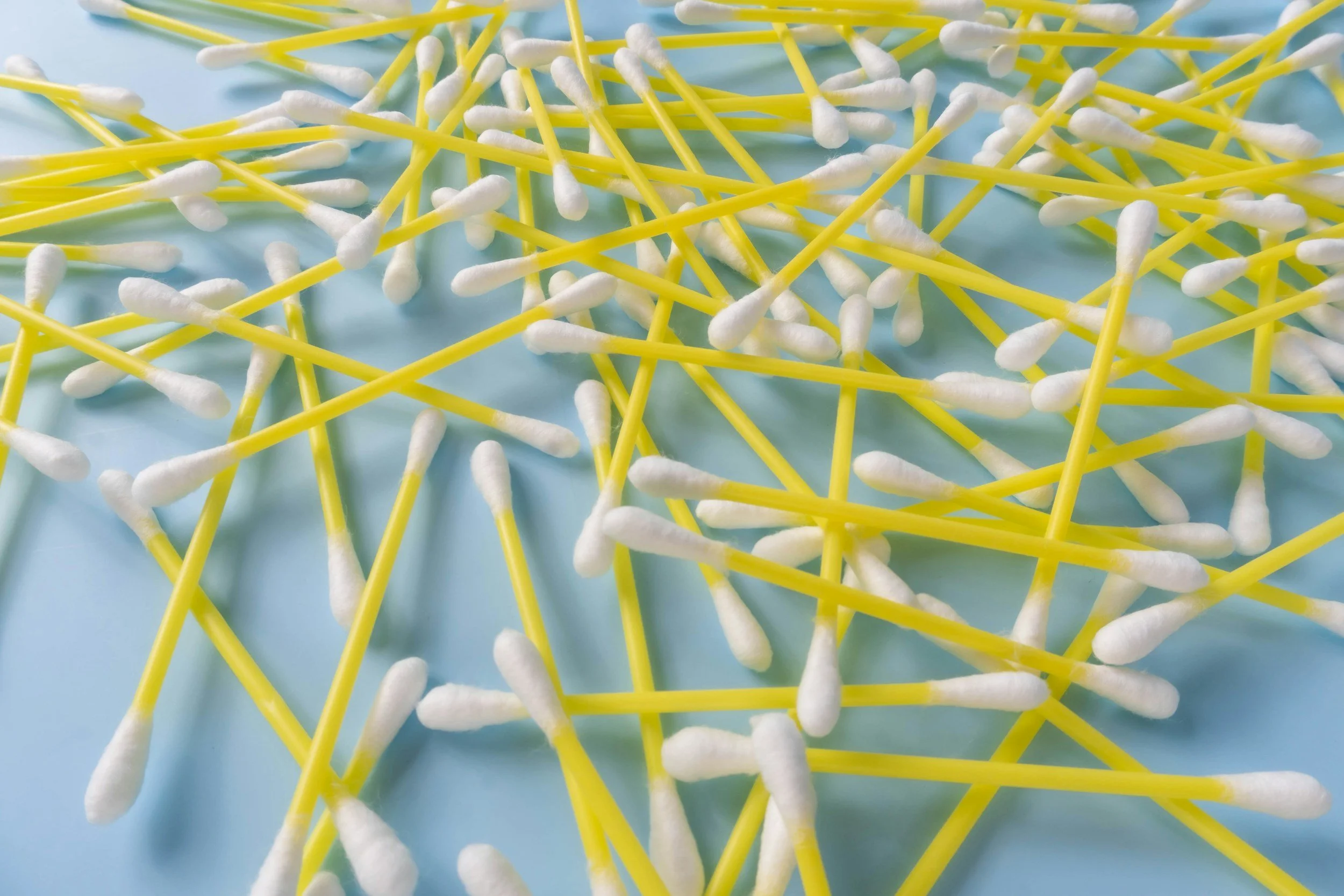
At least 2 sterile cotton-tipped swabs per participant
Standard cotton swabs or pharmacy-purchased buccal swabs may be used
If the swab has cotton on both ends, cut one end off before use
Paper envelopes, one for each participant
A larger mailing envelope
A pen or marker for labeling
Your Test or Order Number
Avoid plastic bags or containers, as they can trap moisture and damage DNA samples.
How to Collect DNA Samples (Step-by-Step)
Step 1: Prepare the Sample Envelopes
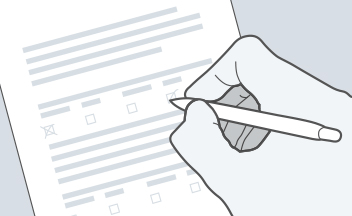
Prepare one paper envelope for each participant. Clearly write the following information on the outside of each envelope:
Test or Order Number
Full name
Date of birth
Relationship (for example: child, alleged father, mother)
If you do not yet have a Test or Order Number, contact us before sending your samples.

Step 2: Collect the DNA Sample
Using clean hands:
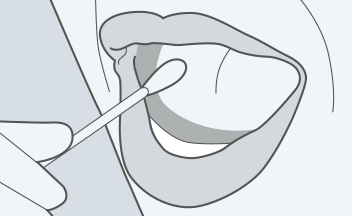
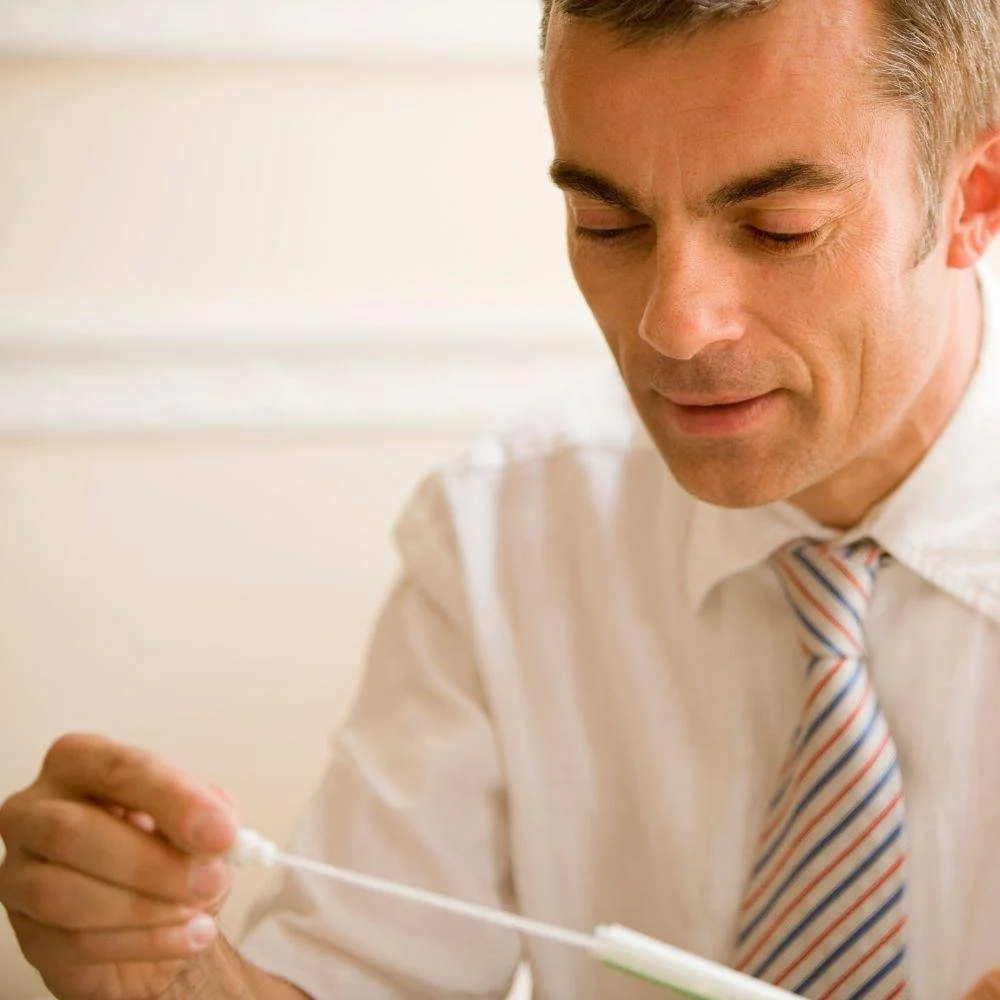
Take one swab and firmly rub the cotton tip along the inside of the cheek
Rub against the cheek, gums, and inside of the lips
Continue for at least 60 seconds
Repeat using a second swab for the same participant
You are collecting cheek cells, not just saliva, so firm contact with the cheek is important.
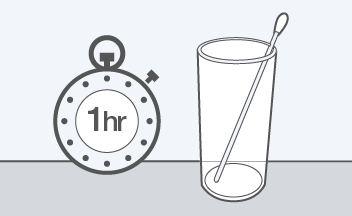
Step 3: Allow the Swabs to Dry
Allow the swabs to air-dry for a minimum of 1 hour
Place swabs upright with the cotton end facing upward
You may stand the swabs in a clean glass
Use a separate glass for each participant to prevent cross-contamination.
Do not touch the swabs to check if they are dry.
Step 4: Package and Send the Samples
Once completely dry:
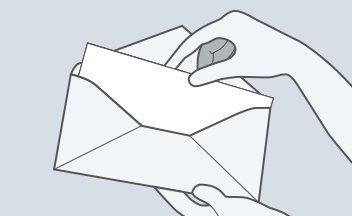
Place the swabs into the correctly labeled paper envelope
Place all sample envelopes and any required forms into a larger envelope
Mail the package using a secure service
Tracked mail or courier service is strongly recommended
Be sure to apply sufficient postage.
Where Should I Send My Samples?
Sample submission addresses may vary depending on the type of DNA test being performed.
Please contact us before shipping your samples to confirm the correct mailing address and ensure proper processing.
Need Help or Have Questions?
Creating your own DNA collection kit is a convenient option, but it must be done correctly. If you are unsure whether your materials are suitable or want guidance before collecting samples, our DNA experts are available to help.
Helpful Tips to Avoid Delays
Always use both swabs for each participant
Do not allow swabs from different people to touch
Do not touch the cotton portion of the swabs
Use paper envelopes only
Ensure all paperwork is complete and legible
Incomplete forms or improperly collected samples may result in testing delays or unusable results.

Client Reviews